
As we age, we tend to focus on vitamins and minerals, but one thing that often gets overlooked is how important fatty acids are for overall health. If you’re over 50, your body relies even more on these essential fats to support your heart, brain, metabolism and even your mood.
Unlike some nutrients, most types of fatty acids cannot be produced by the body, which means we either need to get them from food or through supplementation.

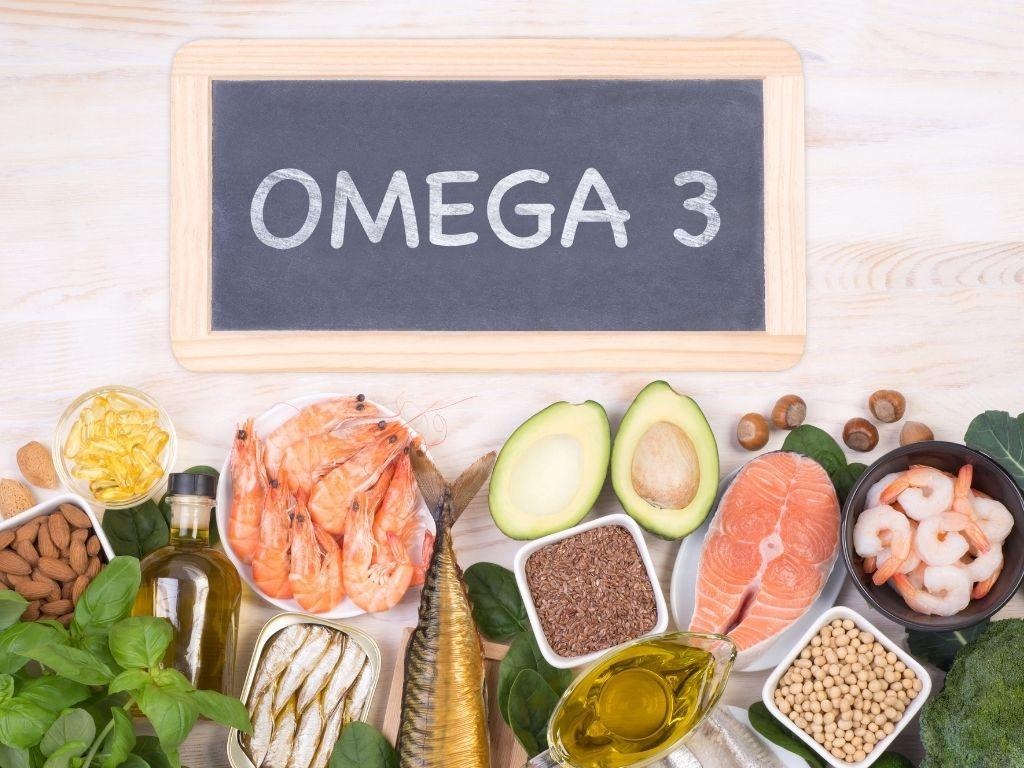
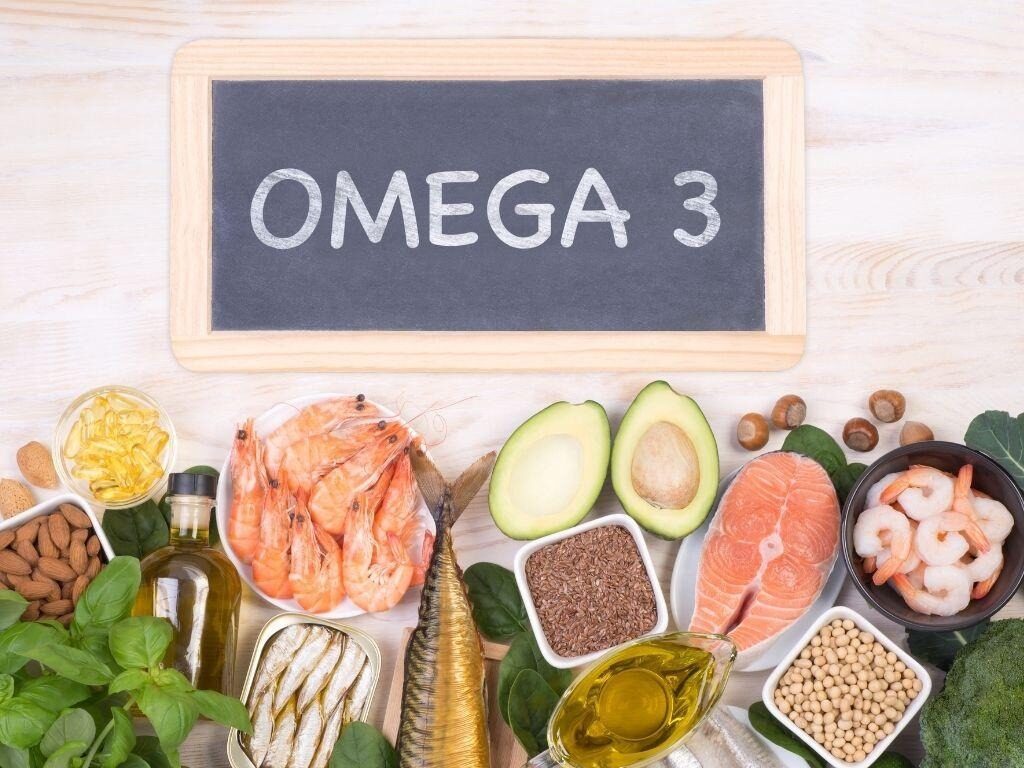
Some adults choose natural sources first such as salmon, mackerel, walnuts and flaxseeds. If these foods aren’t a regular part of your meals or if your diet is limited, your doctor may recommend supplemental support.
You can explore omega 3 supplements from Elite Wellness Brands by following this link right in the middle of your reading for convenience: Shop Omega 3 here.
How Fatty Acids Support Your Health
Fatty acids play bigger roles than most people realize. They help transport oxygen through the bloodstream, support heart rhythm, protect the brain from age-related decline and help maintain healthy cell membranes.
There is also growing evidence supporting their role in controlling inflammation. This matters because inflammation tends to increase with age and is linked to joint discomfort, fatigue and mild mood changes.
In fact, a study published in Nutrients found that adults over 55 with consistent Omega 3 intake had 28 percent lower inflammatory markers compared to those who consumed very little (Wall et al., 2022).
Top Benefits of Omega 3 for Adults Over 50

Increasing your Omega 3 intake may positively impact cognitive ability. Some research suggests that it helps support memory as we age.
While studies often focus on younger individuals, additional research indicates that Omega 3 may help slow natural cognitive decline in aging adults, especially those supplementing consistently over six months or more (Swanson et al., 2012).
Omega 3 also plays a role in metabolism. According to nutrition expert Udo Erasmus, certain fatty acids may help increase your metabolic rate, which could support weight management. It is not about eating fewer calories, but about helping your body process them more efficiently.
Food Sources of Fatty Acids
You can get fatty acids naturally through oily fish like tuna and halibut, ground flaxseed, broccoli, nuts such as walnuts, spinach, kale and certain vegetable oils.
However, it is worth noting that many commercially processed foods lose most healthy fats due to industrial processing.
If you prefer getting fatty acids naturally, aim for fresh, minimally processed foods. A mostly Mediterranean-style diet is known to contain higher levels of beneficial fats. However, if dietary restrictions or lifestyle make this difficult, supplementation becomes a more practical approach.
Important Considerations
Some ocean-caught fish may contain contaminants such as mercury, depending on the region. This does not mean you should avoid them entirely, but it highlights why some adults prefer to take purified Omega 3 supplements instead of relying solely on fish consumption.
The FDA has mentioned that certain types of fish are best avoided by pregnant women and young children due to contamination risks such as orange roughy, king mackerel, tuna and swordfish. While most adults over 50 do not fall in these groups, it’s still important to choose safe sources.
Final Thoughts
When taken in appropriate amounts, fatty acids help support your body in remarkable ways. They may contribute not only to heart and brain wellness but also energy, skin texture and long-term mobility.
References
Kris-Etherton, P. M., Innis, S., & American Dietetic Association and Dietitians of Canada. (2019). Dietary recommendations for health: Omega 3 fatty acids. Journal of Human Nutrition, 38(2), 45–52.
Swanson, D., Block, R., & Mousa, S. A. (2012). Omega 3 fatty acids EPA and DHA: Health benefits throughout life. Advances in Nutrition, 3(1), 1–7.
Wall, R., Ross, R. P., Fitzgerald, G. F., & Stanton, C. (2022). Fatty acid intake and inflammatory markers in aging adults. Nutrients, 14(6), 1121–1134.
World Health Organization. (2020). Essential fats and aging-related metabolic health (Report No. WHO/HN/2020).
Health Disclaimer: The article is for general informational purchases only. It is not intended or implied to be a substitute for professional medical advice or intended to diagnose, treat, cure, or prevent any disease, nor have they been evaluated by the FDA. You should consult your healthcare practitioner before beginning any diet, exercise, or supplementation program. You assume full responsibility and liability for your own actions.