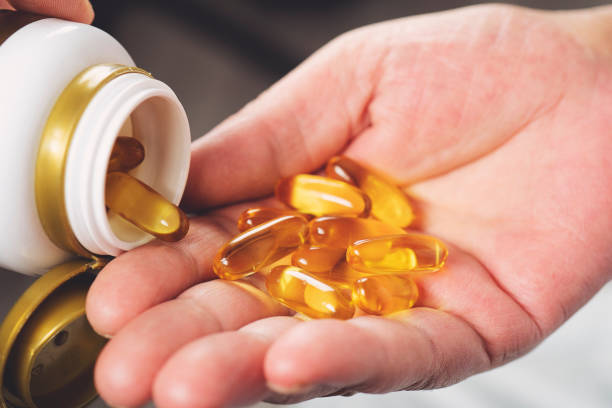

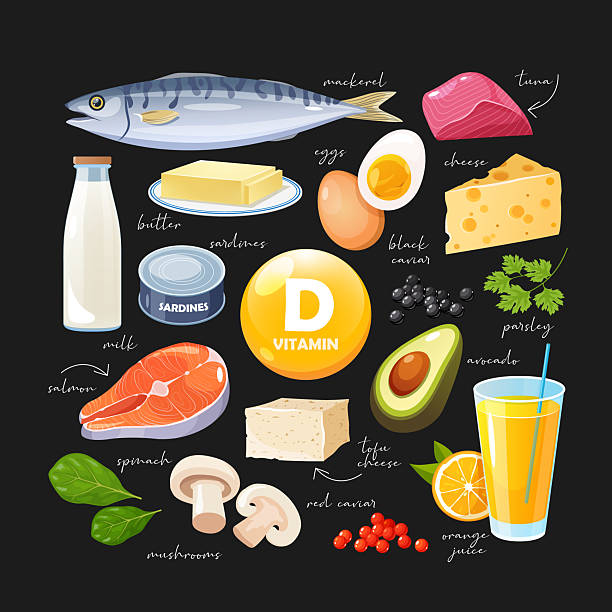
Vitamins are essential for keeping your body strong, and each supports your health in its own way. Vitamin D is one of the most vital supplements for living a healthy life, extending lifespan, and staying strong. It is also referred to as the sunshine vitamin, yet it has far more to do than keeping your bones healthy.
Vitamin D helps muscles, immunity, and well-being in the long term, particularly when you are either near or past 50. Understanding the mechanisms of Vitamin D can give you the self-confidence to age, stay strong, and feel good every day.

Image Credit: iStockphoto
Why Vitamin D Matters More After 50
One special problem is that adults over 50 years old do not produce enough vitamin D. This decline is due to older people spending fewer hours outside and, to some degree, to aging skin being less efficient at converting sunlight into active vitamin D despite sufficient sun exposure.
Protecting Your Bones and Preventing Falls
The correlation between vitamin D levels and bone strength is even more crucial in old age. Studies indicate that people with vitamin D deficiency can use vitamin D supplements of 800-1000 IU per day to prevent falls. Lack of adequate vitamin D can lead to such conditions in the bones as:
Osteoporosis – a disease in which bones become weak and porous, and hence more prone to fracture.
Osteomalacia – when bones lose their strength and become more easily bent and broken.
This may seriously affect your autonomy and living standards.
To have a detailed review of the combination of vitamin D with calcium to support bone health, visit our article: Why Calcium and Vitamin D Are Essential to Bone Health. These conditions can have serious consequences for your independence and quality of life.
For a comprehensive guide on how vitamin D works together with calcium to protect your bones, check out our article: Why Calcium and Vitamin D Are Essential for Bone Health.
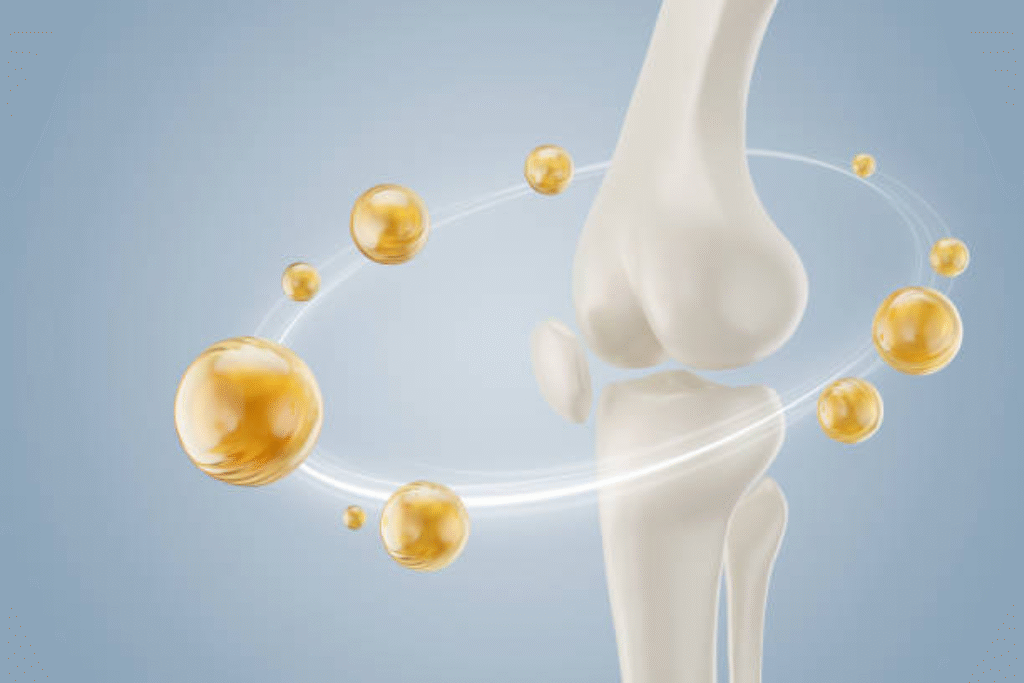
Image Credit: istockphoto
Strengthening Immune Function
Vitamin D is essential for your immune system. The vitamin D receptor is present on immune cells throughout the body, including B cells, T cells, and antigen-presenting cells. These cells can even make active vitamin D themselves, so it is provided where immunity is needed most.
Studies among adults aged 55-85 indicate that vitamin D supplementation helps maintain immune system balance. An increased vitamin D level has been associated with fewer respiratory tract infections and higher vaccine responses. This is a particularly significant benefit as we get older and become more susceptible to illness.
Image Credit: istockphoto
Supporting Brain Health and Cognitive Function
Research continues to show that vitamin D helps maintain mental performance with advancing age.
Based on studies of adults aged 70-79 with low vitamin D levels, those with deficiency performed worse on cognitive tests and showed greater mental decline over 4 years than those with normal vitamin D levels.
Slows Down Cellular Aging
One of vitamin D’s most exciting benefits is its potential to slow down cellular aging at the most fundamental level—inside your cells.
- Understanding Telomeres
Our chromosomes, or the structures that hold our DNA, have protective caps at each end called telomeres. Consider telomeres as the plastic caps at the ends of shoelaces that prevent them from fraying. Telomeres naturally shorten with each cell division, and this shortening is associated with aging and other age-related diseases.
- The Breakthrough Research
There is something extraordinary about vitamin D, which has been understood recently through groundbreaking research. A large randomized controlled trial involving more than 1,000 participants (50 years and older) showed that 2,000 IU/day of vitamin D3 supplementation significantly prevents telomere shortening over 4 years, averting 140 base pairs of telomere loss compared with placebo. According to the scientists’ estimate, this is equivalent to avoiding close to 3 years of biological aging.
- How Does Vitamin D Protect Our Cells?
The shortening of telomeres could be slowed down by vitamin D, which can combat inflammation and regulate cell growth and proliferation. Vitamin D helps preserve the integrity of our cells by protecting their structures as we age, which is likely to decrease the risk of age-related diseases.
Recommended Dosage for Adults Over 50
Ensuring adequate intake of Vitamin D is important to the health of bones, immunity, and general health in old age. The correct dosage is determined by age, personal need, and existing vitamin D levels.
- Adults 50–70 years: At least 600 IU daily
- Adults over 70 years: At least 800–1,000 IU daily
Important Note: Before you start taking any supplements, it is advisable to have your vitamin D levels analyzed in a blood test and discuss with your health expert the appropriate amount of supplements to take.
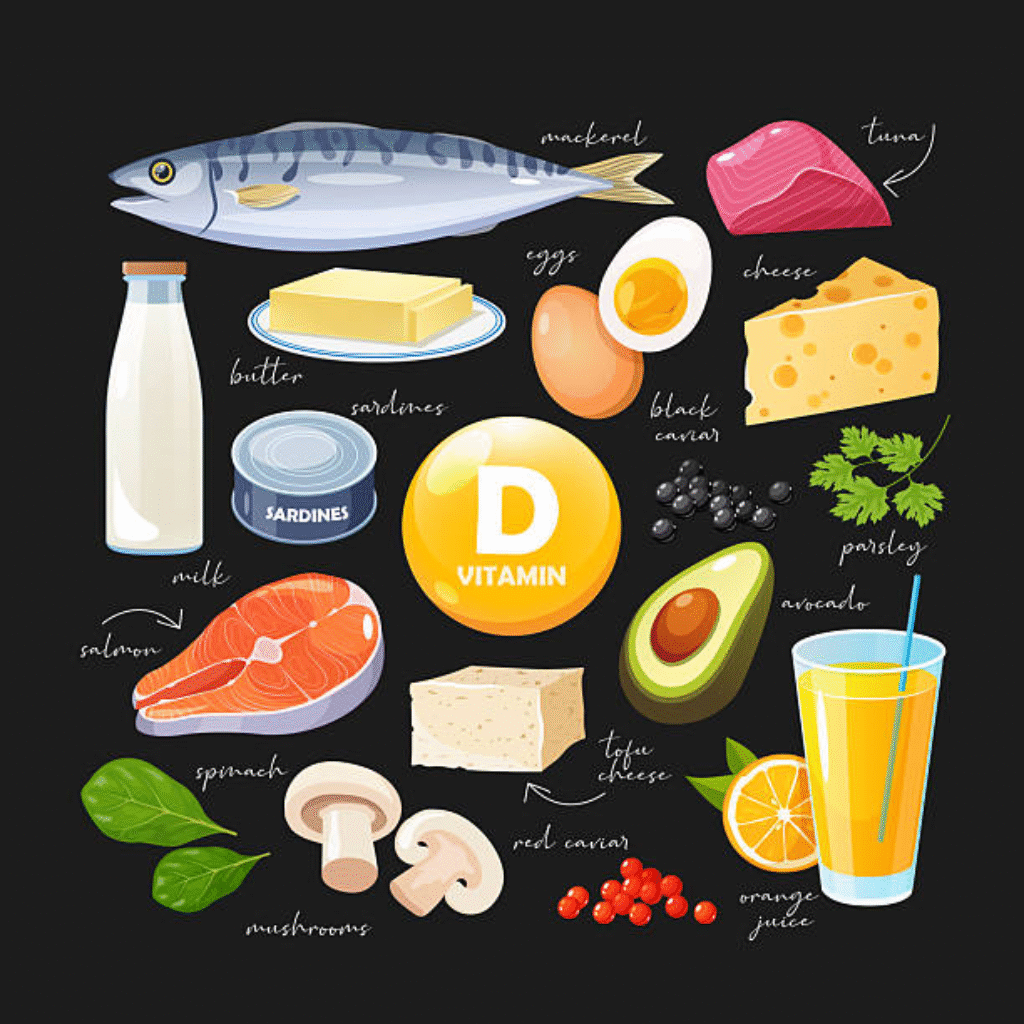
Image Credit: istockphoto
Making Vitamin D Work for You
In the case of vitamin D, it is not about the amount, but about consistency. Smaller daily doses of supplements are more effective than a single large dose once a week.
Understanding Vitamin D2 vs. D3
Not all supplements are created equal. It comes in two primary forms, and it is possible to make the most appropriate decision based on whether you can make the right choice between the two forms:
Vitamin D3 (Cholecalciferol)
It is a natural form of vitamin D that your body produces when exposed to sunlight. It can also be obtained from animal sources such as animal oil, fatty fish, liver, and egg yolks. D3 is more efficient at raising and maintaining vitamin D levels in the blood, with research showing it is 1.7–3 times stronger than vitamin D2 and has a longer-lasting effect on the body.
Vitamin D2 (Ergocalciferol)
- Comes from plant sources (mushrooms exposed to UV light, yeast)
- Common in fortified foods
- Has a shorter duration of action and less than 30% of the potency of vitamin D3
- Often available in prescription form
The Bottom Line
Vitamin D is among the key nutrition investments in healthy aging. It strengthens bones, helps prevent falls, aids the immune system, and can even help maintain cognitive capacity- almost all areas of wellness after 50.
The positive aspect is that, with proper supplementation, it is easy to correct deficiencies and maintain beneficial levels. The first step is to assess your current level, then have your healthcare provider determine how much you need. Your future self will reward you by taking this straightforward yet effective measure towards living a long and healthy life.
Take Control of Your Health and explore our curated selection of premium vitamin D supplements here, featuring only the highest-quality brands trusted by health-conscious adults who prioritize longevity and vitality.
From vitamin D3 with K2 combinations to pure, high-potency formulas, find the perfect supplement to support your wellness journey today.
References
- Tan L, He R, Zheng X, et al. Effect of vitamin D, calcium, or combined supplementation on fall prevention: a systematic review and updated network meta-analysis. BMC Geriatr. 2024;24(1):390. doi:10.1186/s12877-024-05009-x
- Wei D, Jiang S, Zhou H, et al. Association Between Vitamin D Supplementation and Fall Prevention. Front Endocrinol (Lausanne). 2022;13:919839. doi:10.3389/fendo.2022.919839
- Aranow C. Vitamin D and the immune system. J Investig Med. 2011;59(6):881-886. doi:10.2310/JIM.0b013e31821b8755
- Hewison M. Vitamin D and immune function: an overview. Proc Nutr Soc. 2012;71(1):50-61. doi:10.1017/S0029665111001650
- Ao T, Kikuta J, Ishii M. The Effects of Vitamin D on Immune System and Inflammatory Diseases. Biomolecules. 2021;11(11):1624. doi:10.3390/biom11111624
- Llewellyn DJ, Langa KM, Lang IA. Serum 25-hydroxyvitamin D concentration and cognitive impairment. J Geriatr Psychiatry Neurol. 2009;22(3):188-195. doi:10.1177/0891988708327888
- Slinin Y, Paudel ML, Taylor BC, et al. 25-Hydroxyvitamin D levels and cognitive performance and decline in elderly men. Neurology. 2010;74(1):33-41. doi:10.1212/WNL.0b013e3181c7197b
- Miller JW, Harvey DJ, Beckett LA, et al. Vitamin D Status and Rates of Cognitive Decline in a Multiethnic Cohort of Older Adults. JAMA Neurol. 2015;72(11):1295-1303. doi:10.1001/jamaneurol.2015.2115
- Blackburn EH, Epel ES, Lin J. Human telomere biology: A contributory and interactive factor in aging, disease risks, and protection. Science. 2015;350(6265):1193-1198. doi:10.1126/science.aab3389
- Zhou M, Leung CY, de Cabo R, et al. Vitamin D3 and marine ω-3 fatty acids supplementation and leukocyte telomere length: 4-year findings from the VITamin D and OmegA-3 TriaL (VITAL) randomized controlled trial. Am J Clin Nutr. 2025;121(5):1121-1130. doi:10.1016/j.ajcnut.2025.02.025
- Richards JB, Valdes AM, Gardner JP, et al. Higher serum vitamin D concentrations are associated with longer leukocyte telomere length in women. Am J Clin Nutr. 2007;86(5):1420-1425. doi:10.1093/ajcn/86.5.1420
- Zarei M, Zarezadeh M, Kalajahi FH, Javanbakht MH. The Relationship Between Vitamin D and Telomere/Telomerase: A Comprehensive Review. J Frailty Aging. 2021;10(1):2-9. doi:10.14283/jfa.2020.33
- Tripkovic L, Lambert H, Hart K, et al. Comparison of vitamin D2 and vitamin D3 supplementation in raising serum 25-hydroxyvitamin D status: a systematic review and meta-analysis. Am J Clin Nutr. 2012;95(6):1357-1364. doi:10.3945/ajcn.111.031070
- Balachandar R, Pullakhandam R, Kulkarni B, Sachdev HS. Relative Efficacy of Vitamin D2 and Vitamin D3 in Improving Vitamin D Status: Systematic Review and Meta-Analysis. Nutrients. 2021;13(10):3328. doi:10.3390/nu13103328
- Armas LAG, Hollis BW, Heaney RP. Vitamin D2 is much less effective than vitamin D3 in humans. J Clin Endocrinol Metab. 2004;89(11):5387-5391. doi:10.1210/jc.2004-0360
Health Disclaimer: The article is for general informational purchases only. It is not intended or implied to be a substitute for professional medical advice or intended to diagnose, treat, cure, or prevent any disease, nor have they been evaluated by the FDA. You should consult your healthcare practitioner before beginning any diet, exercise, or supplementation program. You assume full responsibility and liability for your own actions.