

As women reach their fifties, the effects of menopause and aging can have a far reaching on many bodily systems that can affect bone health, metabolism, sleep quality and overall wellness. While diet and lifestyle remain essential, research shows that almost 60 percent of adults over 50 do not meet their daily nutritional requirements even with well-balanced meals. In other instances, some of the very changes happen during midlife such as digestive changes can impact how you’re your body absorb the nutrients even when you are doing your best to eat well. Therefore, where dietary intake or absorption falls short, supplementing with key nutrients may help support healthy aging.
Below are ten supplements commonly recommended for women over 50. Each includes food sources and information based on studies, with trusted supplement links added for your convenience.
1. Vitamin D
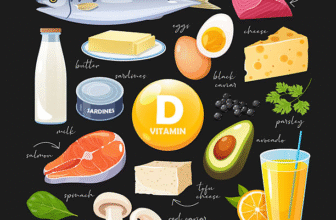
Vitamin D helps the body absorb calcium and also plays an important role in immune function. Studies suggest that nearly 70 percent of postmenopausal women have inadequate vitamin D levels due to limited sun exposure and decreased skin synthesis. (Mayo Clinic, n.d.).
The recommended daily intake for women under 70 is 600 IU, increasing to 800 IU for those over 70. Foods rich in vitamin D include fatty fish and eggs, although most women do not meet the requirements through diet alone.
You may consider a daily Vitamin D supplement from Elite Wellness Brands if regular sun exposure is not possible.
2. Calcium
Calcium is essential for bone strength. After menopause, bone density tends to decline more rapidly, which is why one in three women over 50 is at risk of developing an osteoporotic fracture during her lifetime. (International Osteoporosis Foundation, 2022).
The recommended daily intake is approximately 1,200 mg. However, if dietary intake is insufficient, you may explore calcium supplements through Calcium Support.
3. Fiber
Fiber supports digestion and helps manage cholesterol levels. It also aids in regulating blood sugar and feeding beneficial bacteria in the gut. (Harvard Health Publishing, 2023).

The recommended daily intake for adult women is 25 grams, though most consume closer to 15. Oats, beans, lentils and whole grains are excellent sources. Supplementation may be helpful if regular fiber-rich meals are not consistently consumed.
4. Omega 3 Fatty Acids
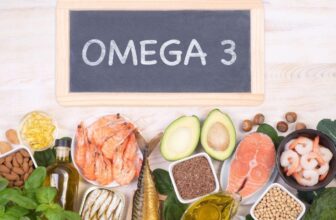
Omega 3 contributes to cardiovascular and cognitive health. Women in their fifties have a higher tendency to develop heart-related issues and inflammation.
While there is no official recommended daily amount for essential fatty acids, research shows beneficial effects starting at just 1 gram per day. If fish consumption is limited, Omega 3 supplements can be a practical option. (American Journal of Clinical Nutrition, 2020).
5. Probiotics
Probiotics help maintain a healthy digestive system, which may also influence immune function and even mood. Several adults over 50 experience digestive discomfort due to age-related changes in gut bacteria.
If these are not regularly included in meals, daily supplementation through Digestive Health Probiotics may be worth considering.
6. Vitamin B12
Vitamin B12 supports red blood cell formation and energy production. As people age, the body’s ability to absorb B12 decreases, increasing the likelihood of deficiency.
The Mayo Clinic recommends a daily intake of around 2.4 micrograms. Meat, eggs and fortified cereals are dietary sources, although women following low-meat or vegetarian diets may require supplementation. Vitamin B12 products are often used to help maintain energy and metabolic function.
7. Melatonin
Melatonin regulates sleep cycles. Hormonal changes around menopause may disrupt sleep patterns, making melatonin supplementation helpful for some women.

A typical starting dose ranges from 1 to 2 mg taken about 30 minutes before bed. For consistent use, you may consider Melatonin supplements, but it is best to consult with a healthcare provider first.
8. Magnesium
Magnesium assists in muscle relaxation, heart rhythm and supports proper utilization of vitamin D. It is commonly found in nuts, dark chocolate and spinach.
Women who experience sleep difficulties or frequent fatigue may benefit from supplementation, particularly if dietary magnesium intake is low. You can explore options through Magnesium Support.
9. Vitamin C
Vitamin C promotes collagen production while supporting immunity and protecting cells from oxidative stress. Many women increase intake to help maintain skin elasticity. Citrus fruits, bell peppers and guava are good sources. Supplementation may be beneficial during times of low fruit or vegetable consumption.
10. Collagen
Collagen naturally decreases with age, which may lead to reduced skin firmness and joint discomfort. Supplementation has become popular among women over 50 as part of skin and joint support routines (American Journal of Clinical Nutrition, 2020). Fish skin, bone broth and poultry are dietary sources, but the body absorbs hydrolyzed collagen from supplements more efficiently. You can review collagen options here: Collagen Support.
Final Thoughts
As always before trying any supplement, we’d still suggest checking in with your doctor first. These products can really help, but they work best when you already have the basics in place like eating well, staying active and taking care of yourself overall.

We’ve learned that more isn’t always better when it comes to supplements. Sometimes taking too much can do more harm than good, so it’s safer to get a little guidance before jumping in.
References
International Osteoporosis Foundation. (2022). One in three women over 50 will experience fractures. Retrieved from https://www.osteoporosis.foundation
Harvard Health Publishing. (2023). Dietary nutrient intake in aging populations.
Mayo Clinic. (n.d.). Vitamin B12: Dietary recommendations and safety considerations. Retrieved from https://www.mayoclinic.org
American Journal of Clinical Nutrition. (2020). Omega 3 fatty acids and cardiovascular risk in postmenopausal women.
Health Disclaimer: The article is for general informational purchases only. It is not intended or implied to be a substitute for professional medical advice or intended to diagnose, treat, cure, or prevent any disease, nor have they been evaluated by the FDA. You should consult your healthcare practitioner before beginning any diet, exercise, or supplementation program. You assume full responsibility and liability for your own actions.